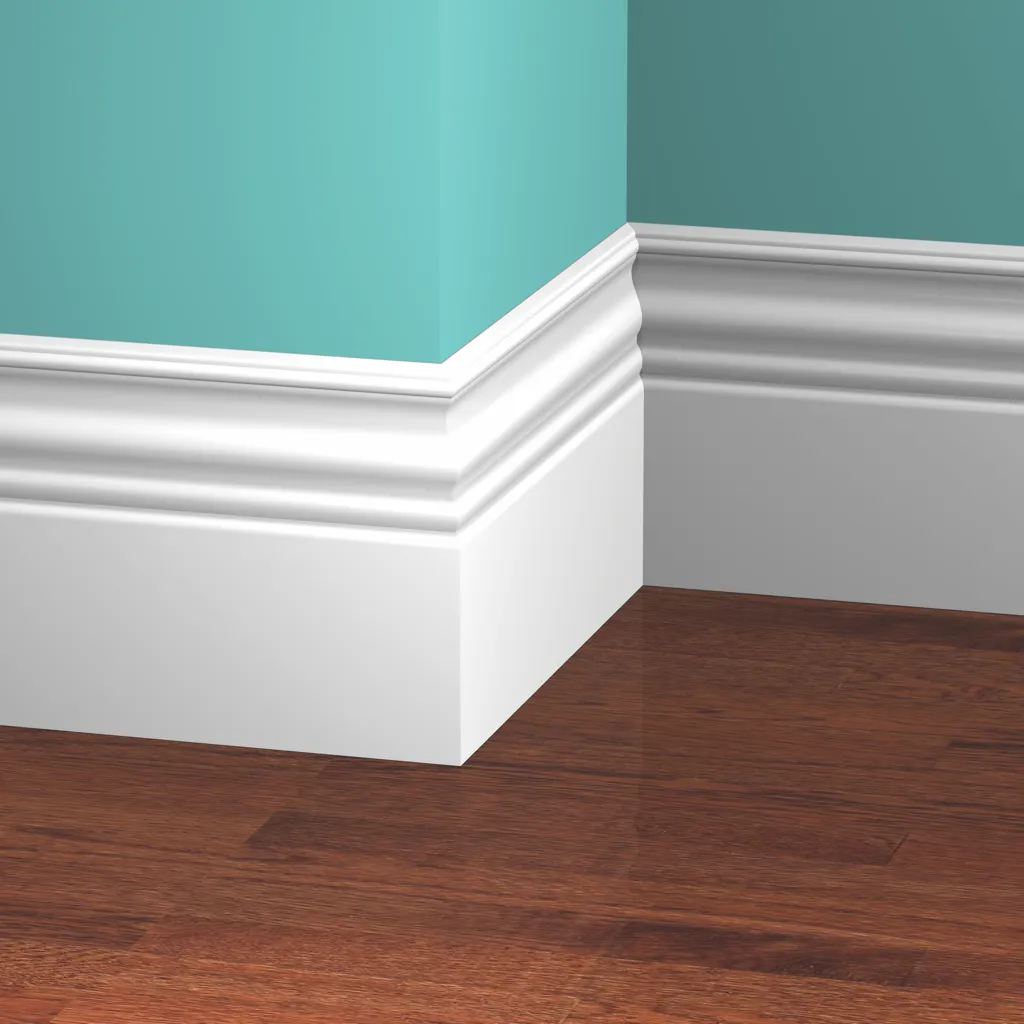
The Impact of Color Psychology in Interior Design
Understanding the psychological effects of color can significantly enhance your interior design choices. Whether you're redecorating your home or planning a commercial space, the colors you choose can influence mood, perception, and even productivity. At Mora’s Painting Inc., we specialize in bringing your vision to life with expert painting services tailored to your specific needs.
What is Color Psychology?
Color psychology is the study of how colors influence human behavior and emotions. It suggests that different colors can evoke different moods and reactions, which can be particularly useful when designing interior spaces. By understanding these effects, you can create an environment that aligns with your desired atmosphere.
The Basics of Color Psychology
- Red: Stimulates energy and passion, often used in dining areas or kitchens.
- Blue: Promotes calmness and tranquility, ideal for bedrooms and bathrooms.
- Yellow: Evokes happiness and cheerfulness, perfect for playrooms or creative spaces.
- Green: Represents nature and balance, great for living rooms or offices.
- Purple: Conveys luxury and creativity, suitable for accent walls or artistic spaces.
Choosing Colors for Different Spaces
Different rooms serve different purposes, and the right color can enhance those functions. Here’s how to select colors based on the room's use:
Living Rooms
A living room is often the heart of a home, where families gather and entertain guests. Consider using warm colors like soft yellows or neutral tones to create an inviting atmosphere. Bold accent walls can also add character and stimulate conversation.
Kitchens
Kitchens benefit from vibrant and energetic colors. Reds and oranges can stimulate appetite and encourage social interaction. For a more modern feel, consider sleek whites or greys that complement stainless steel appliances.
Bedrooms
Bedrooms should promote relaxation and restfulness. Soft blues, greens, and pastels can create a serene environment conducive to sleep. Darker shades can add a sense of coziness, but balance them with lighter accents.
Home Offices
In a home office, colors that enhance focus and productivity are vital. Shades of blue and green can be very effective. Consider a clean, crisp white to keep the space feeling open and encouraging for work.
The Role of Texture and Finish
While color is crucial, the texture and finish of your paint can also impact the overall feel of a room. At Mora’s Painting Inc., we offer various painting techniques, including texture painting, to give your walls depth and character.
Matte vs. Glossy Finishes
- Matte finishes absorb light, making them ideal for ceilings or low-traffic areas.
- Glossy finishes reflect light, perfect for accents or high-traffic areas like kitchens and bathrooms.
Incorporating Color Psychology in Your Design
To effectively incorporate color psychology into your design, consider working with professionals who understand the nuances of color and its impact. Mora’s Painting Inc. provides expert consultations to help you select the perfect palette for your space.
Consulting with Professionals
Our team at Mora’s Painting Inc. is equipped to assist with everything from interior painting to drywall repair and wallpaper removal. We can help you choose colors that not only look great but also enhance the mood and functionality of your spaces.
Conclusion
Color psychology plays a vital role in interior design, affecting mood, perception, and overall ambiance. By understanding the impact of different colors, you can make informed decisions that enhance your living or working environment. Contact Mora’s Painting Inc. today to start transforming your space with our professional painting services.